Why Package Size and Clear Product Information Matter in Japan
Household changes and labeling rules offer practical lessons for Korean exporters
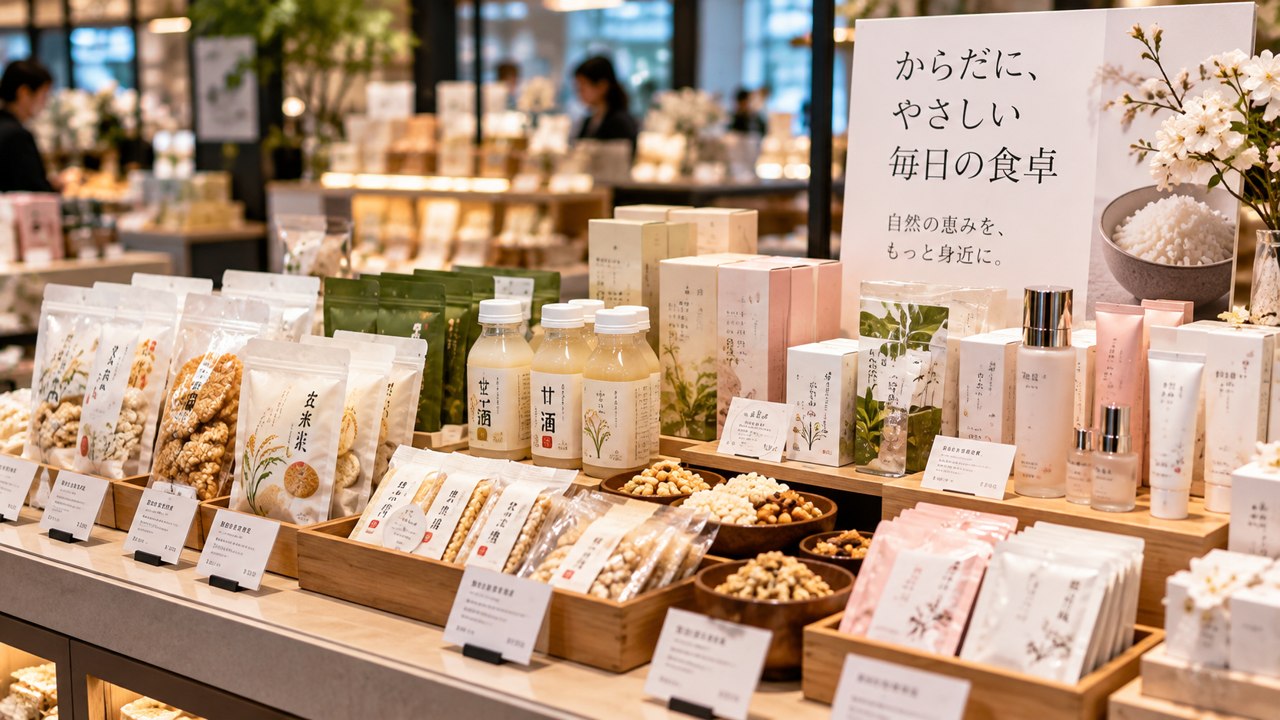
AI 제작 자료 이미지 · 실제 일본 매장 또는 실제 상품 사진이 아닙니다.
Household patterns matter
According to Japan’s Statistics Bureau, single-person households accounted for roughly 38% of private households in 2020. That creates reasons to test smaller formats, but does not mean all consumers prefer small packs.
Test the full value proposition
Korean food, snacks, beverages and skincare brands should compare portion size, storage, portability and price per unit. Small packs can reduce trial barriers while increasing packaging costs.
Clear Japanese labeling is essential
Japan’s Consumer Affairs Agency states that food sold in Japan must carry Japanese-language labels. Ingredients, allergen information and date labeling require careful review with local importers.
Validate rather than generalize
Exporters should compare sizes, prices, conversion and repurchase intentions among defined groups before expanding distribution.
Explain the product the customer actually uses
Importers should not simply translate Korean packaging. For sikhye, explain sweetness, ingredients and storage; for rice snacks, identify allergens, texture and handling after opening; for cosmetics, describe the order of use, relevant ingredients and only legally supportable claims. Collect questions from stores and reflect them in Japanese product sheets and e-commerce listings.
Test several formats rather than assume a national preference
Compare single-use and family-size packs using the same product. Record purchase conversion, perceived value, repeat-purchase intent and packaging waste alongside shelf price. Small packs reduce waste and first-purchase risk but increase packaging cost per unit. One survey or store test cannot establish a universal preference among Japanese consumers.