How Can Jeonbuk Foods Reach Japanese Tables?
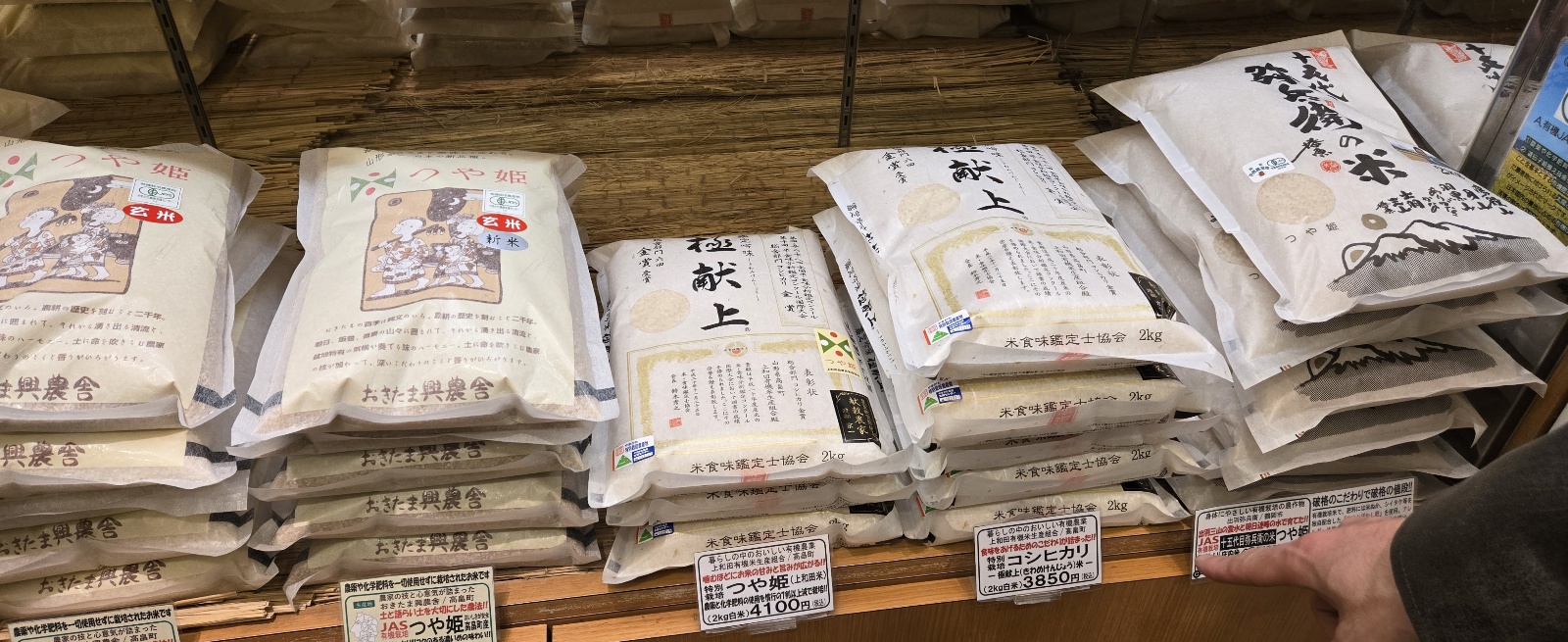
KX 글로벌뉴스 제공 · 일본 매장에 진열된 쌀 상품
A regional opportunity
The international profile of Korean food gives Jeonbuk rice, grains, fermented foods and traditional drinks a potential opening in Japan. Consistent sales still require attention to local tastes, pricing, labels and logistics.
Sell the story of Jeonbuk rice
Japanese rice retailers differentiate products by variety, origin and production method. Jeonbuk rice producers can communicate flavor, traceability and place of origin rather than compete on price alone. Rice snacks and sikhye offer options for higher value-added products.
Explain unfamiliar products
Sikhye may require explanation for Japanese shoppers. Describe sweetness, ingredients, serving suggestions and storage in clear Japanese and test pack sizes.
Start compliance early
Food intended for sale in Japan is generally subject to import notification under its Food Sanitation Act. Ingredients, processing information, additives and Japanese labeling rules must be reviewed; simply adding a translated sticker may not be enough.
Aim for repeat purchases
Sampling and small-scale retail tests should measure conversion, acceptable price and repeat intent. Joint promotions can help regional producers, but inventory and quality responsibilities must be explicit.
Sources: company catalog and official Japanese MHLW/quarantine guidance; market outlook is editorial analysis.
Make the product understandable in Japan
A traditional Korean rice drink such as sikhye may need an explanation of flavour, sweetness, ingredients, how to serve it and storage conditions. Test serving size and packaging with actual Japanese consumers. Likewise, Jeonbuk rice should be presented with accurate information on variety, origin, traceability and eating quality rather than price claims alone.
Regulatory readiness precedes sales
Food for commercial sale in Japan is generally subject to notification under the Food Sanitation Act. Depending on the product, ingredient lists, manufacturing process information, food-additive checks and Japanese labelling are required. A translated sticker alone is not proof of compliance. Trial sales should measure both conversion and repeat-purchase intent, with importer and supplier responsibilities agreed in advance.