What Do Japanese Buyers Ask Korean Suppliers First?
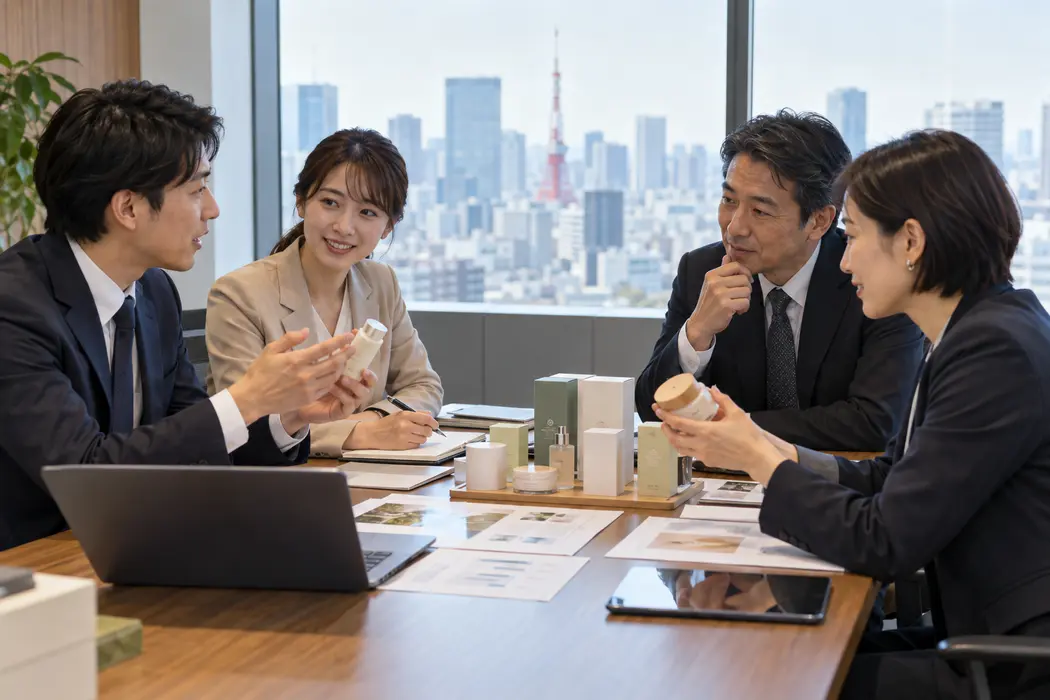
일본 바이어 상담 자료 이미지
Business terms before a sales pitch
A first meeting with a Japanese importer or distributor calls for more than product claims. Buyers need to know the likely retail price, supply timing and who will resolve problems. These are practical preparation points, not a claim that every buyer has identical preferences.
Clear specifications
A product sheet should state ingredients or materials, dimensions, weight, packing unit, origin and storage conditions. Certifications and test reports need identifiable scope and validity. For processed foods, Japanese quarantine authorities may request ingredient lists and manufacturing flow charts.
Workable price terms
Quote MOQ, sample charges, Incoterms, logistics, currency and payment terms, and responsibility for returns or defective goods. Prices must work for repeat orders.
Reliable lead times
Give realistic timelines for the first and repeat orders, including inspection, export packing and dispatch. Agree on escalation procedures if production slips.
Clear communication
Keep Japanese product sheets and samples consistent. Assign someone able to answer technical and commercial questions promptly and accurately.
Prepare before the meeting
Bring a one-page offer, specification, price list, samples, documentation, lead-time schedule and claims procedure. Avoid premature exclusivity promises; sustainable trade depends on verifiable reliability.
Sources: company catalog and official Japanese MHLW/quarantine guidance; market outlook is editorial analysis.
Translate capabilities into dependable terms
Provide a product specification matching the catalogue, label, certificates and actual sample. State MOQ, sample cost, Incoterms, freight responsibility, payment terms, lead time for initial and repeat orders and the procedure for delays or defective goods. A low first quotation that cannot survive repeat purchases is not a sound market-entry strategy.
Before the first meeting
Prepare a one-page product summary, specifications, price list, sampling plan, supporting documents, realistic delivery schedule and a named contact for claims and after-sales questions. Confirming the partner’s capabilities should precede any promise of nationwide exclusivity.